
Wildlife Wednesdays
2026/2027 Lecture Series at the Alaska Zoo
Join us on second Wednesdays from October-April for a wildlife talk in the Alaska Zoo Gateway Hall. There will be no december lecture due to busy holiday schedules.
We will stream the lectures on Facebook Live! Be sure you follow us on Facebook.
We are pleased to host the Wildlife Wednesdays Free Science Lecture Series at the Alaska Zoo Gateway Hall! Stay warm and enrich your knowledge of Alaska's wildlife. Join us this winter on select second Wednesdays from October through April in the Alaska Zoo Gateway Hall (no December Lecture). Each talk begins at 7pm and covers a topic focused on wildlife of the Great Land - Alaska. The talks are approximately 45 minutes with questions and answers. Lectures are FREE to the public. Free refreshments available. Door prizes by Alaska Geographic. ASL interpretation is available upon request in advance, reach out to us here if you would like to have an interpreter present (several days notice appreciated!).
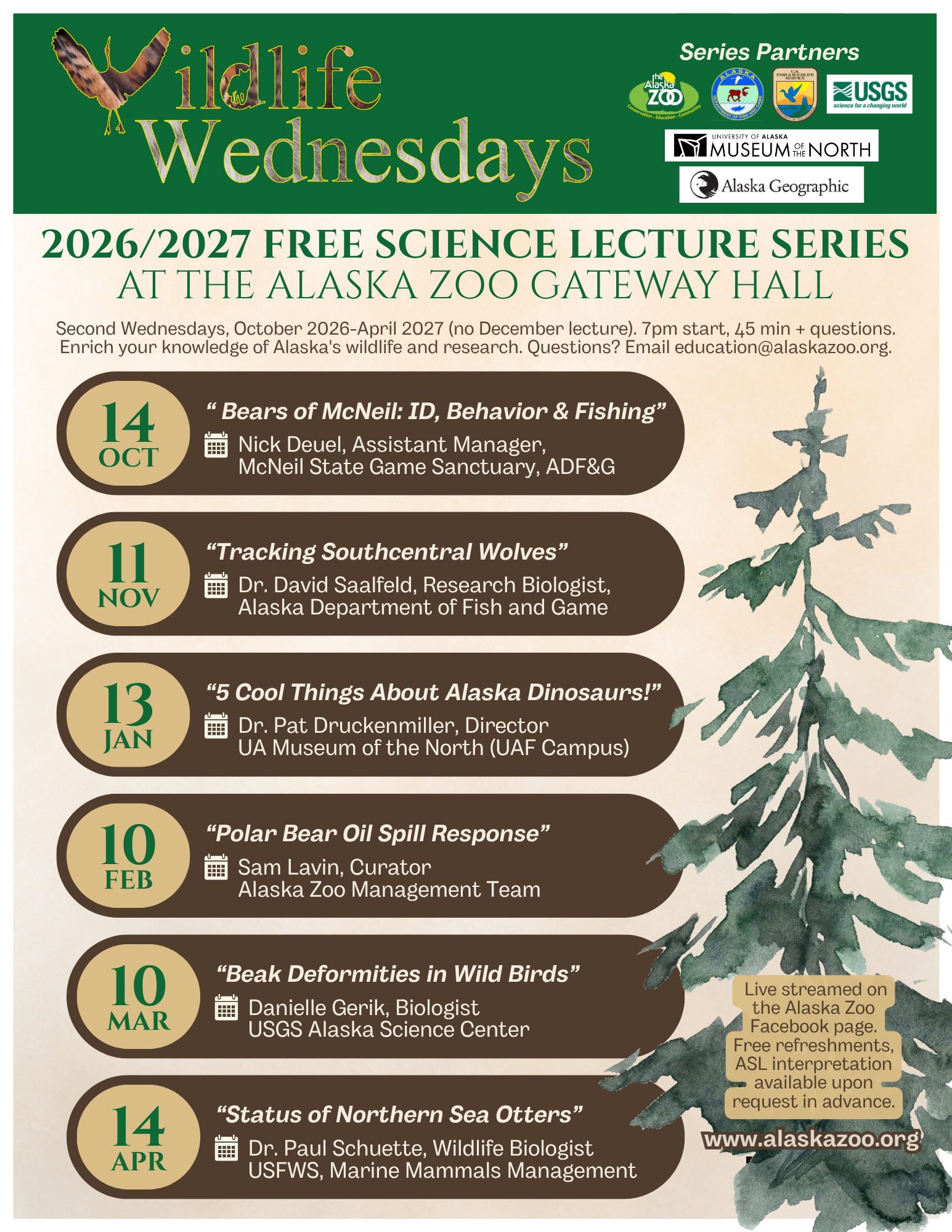
Lecture Schedule
October 14, 2026
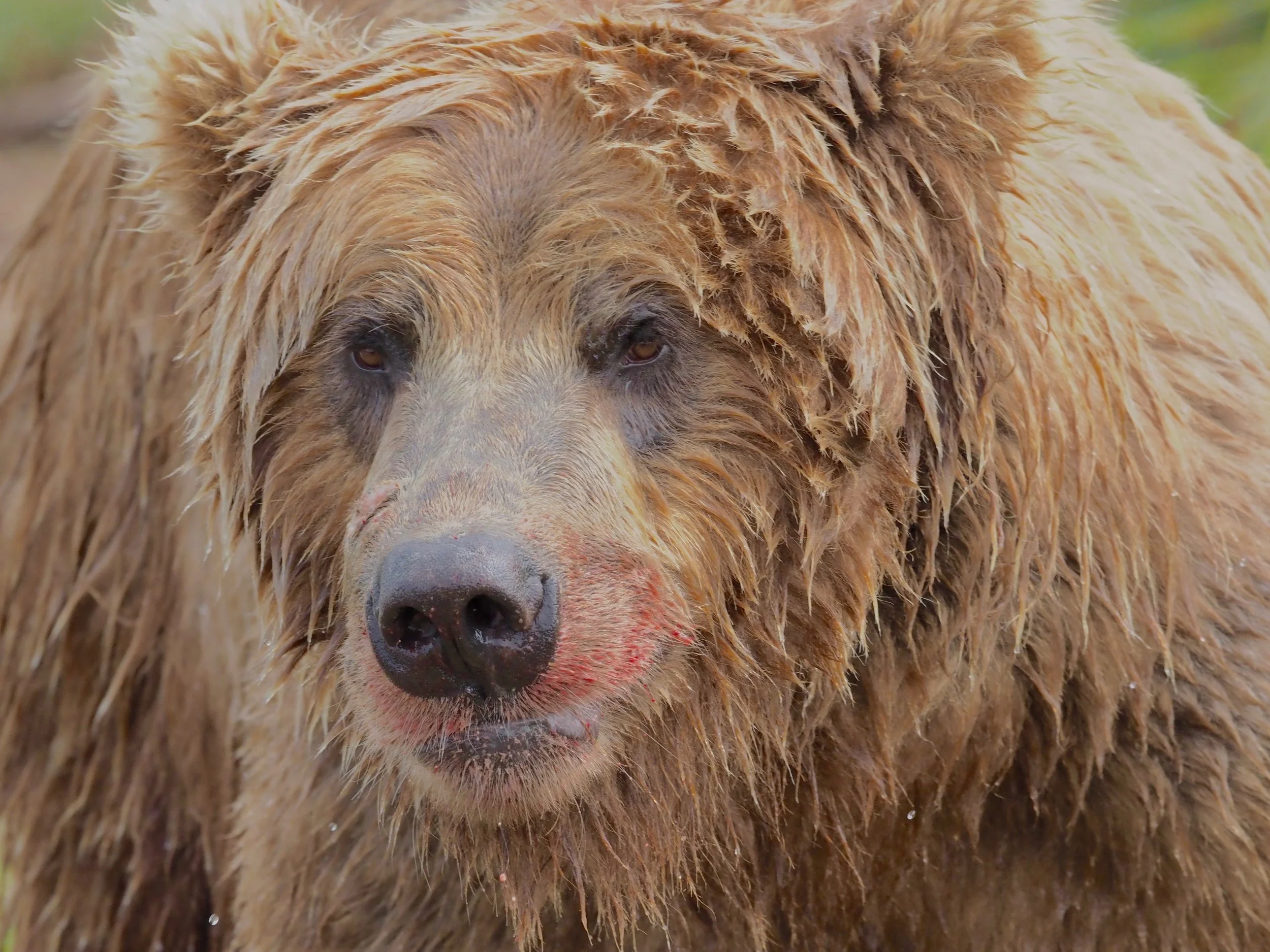
“Bears of McNeil: Identification, Behavior and Fishing Styles” by Nick Deuel, Assistant Manager at the McNeil River State Game Sanctuary, Alaska Department of Fish and Game.
McNeil River State Game Sanctuary has the largest congregation of brown bears in the world. Learn how Alaska Fish and Game staff identify bears who return year after year and about some of the unique behaviors that are observed. Presenter Bio: Nick Deuel works for the Alaska Department of Fish and Game as the Assistant Manager of the McNeil River State Game Sanctuary. Prior to his work with ADF&G, he was a Bear Management Ranger for the National Park Service at Brooks River in Katmai National Park and a Bear Biologist for the Florida Fish and Wildlife Conservation Commission. He completed his Master’s Degree at the University of Georgia researching Gray Foxes.
November 11, 2026
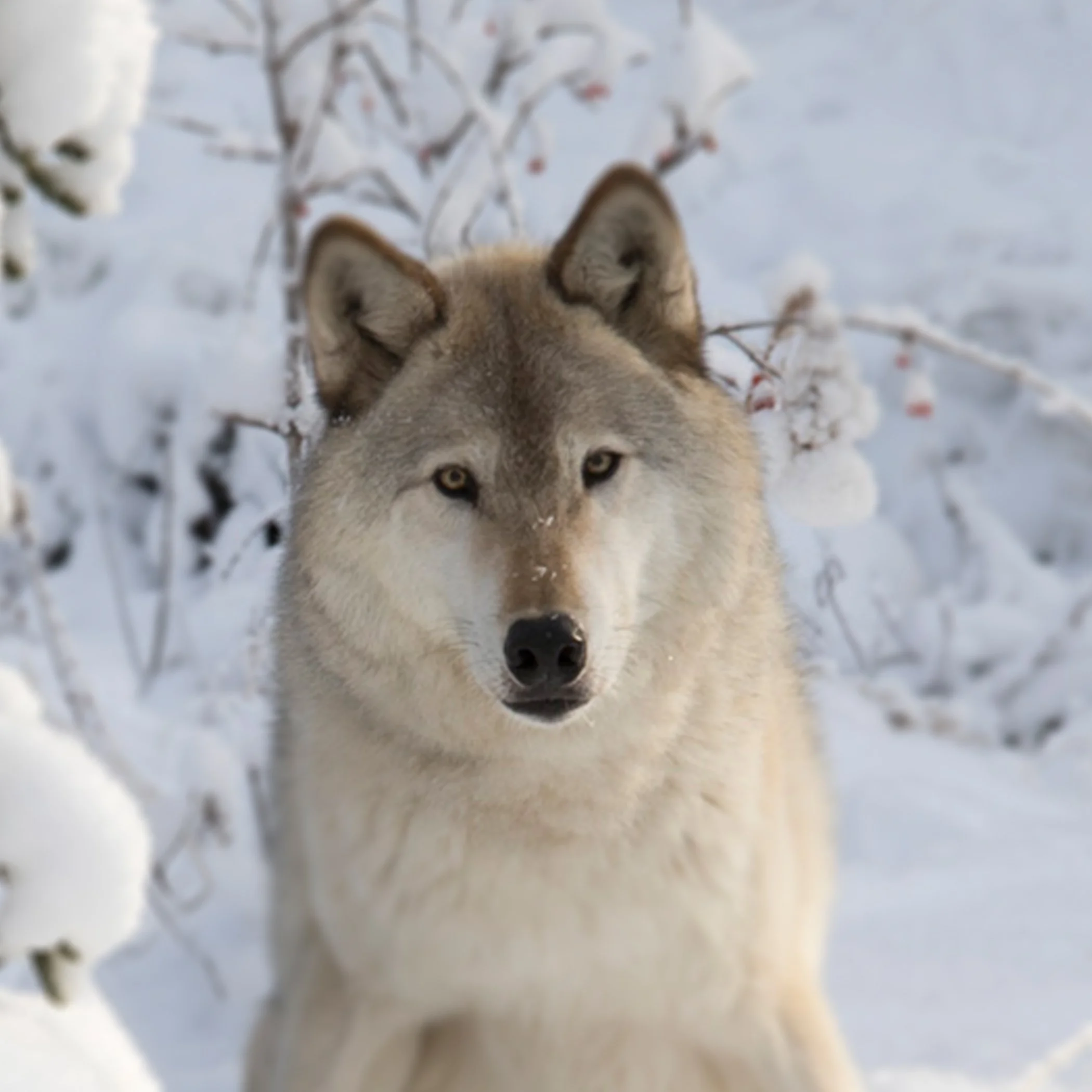
“Tracking Southcentral Wolves” by David Saalfeld PhD, Research Biologist, Alaska Department of Fish and Game.
Over the past ten years, the Alaska Department of Fish and Game has studied wolf populations, movements, and survival rates in southcentral Alaska. Biologists have been collaring and tracking wolves, primarily on the Kenai Peninsula and in Chugach State Park to better understand and manage this elusive predator. Dave will discuss this work along with wolf biology in Southcentral Alaska with time at the end to field questions. Presenter Bio: David Saalfeld is a research wildlife biologist with the Alaska Department of Fish and Game focusing on furbearers. His current research is focused on population dynamics and movements of wolves, lynx, and wolverine in southcentral Alaska. Dave received his MS from Auburn University, and his Ph.D. from Stephen F Austin, where he studied the ecology of American alligators. Dave has been with ADFG since 2013 and has been studying furbearers since 2016.
No December Lecture Due to Busy Holiday Schedules!
January 13, 2027
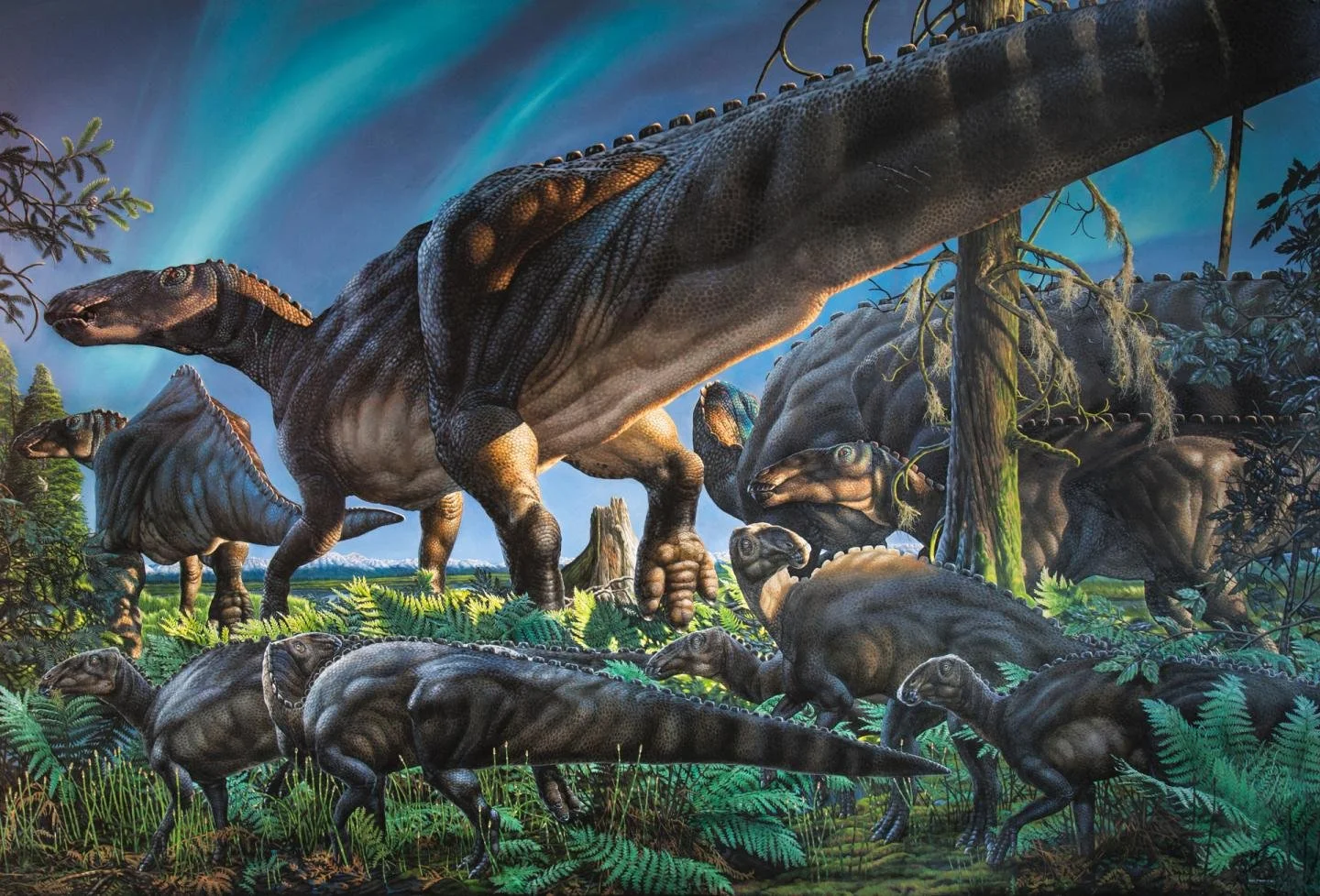
“5 Cool Things You Should Know About Alaska Dinosaurs” by Dr. Patrick Druckenmiller, Director of the University of Alaska Museum of the North and Professor of Geology, University of Alaska Fairbanks.
In this presentation, paleontologist Patrick Druckenmiller will discuss Alaska dinosaurs. Topics for discussion include the types of dinosaurs that have been found, where and how one looks for dinosaur in this vast state, and several interesting facts that make Alaska dinosaurs really cool…I mean, scientifically interesting! Presenter Bio: Dr. Patrick Druckenmiller is Director of the University of Alaska Museum of the North and Professor of Geology at the University of Alaska Fairbanks. Pat is a vertebrate paleontologist whose research focuses on Alaska dinosaurs and marine reptiles. He has led numerous field-based paleontology projects across Alaska, from Southeast to the North Slope. In his role as museum director, he oversees the state’s largest teaching and research museum that houses over 2.5 million objects of Alaska cultural and natural history.
February 10, 2027
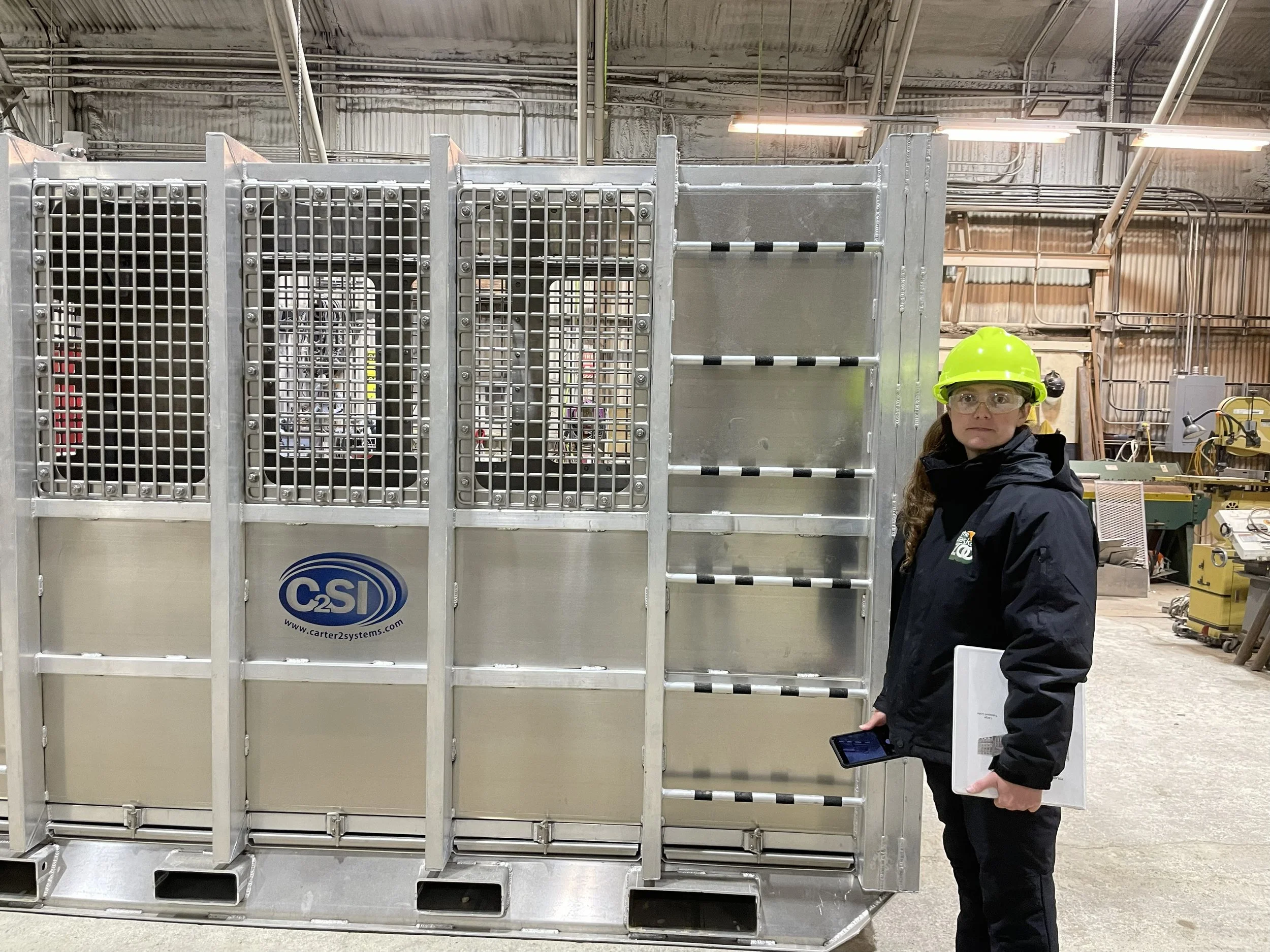
“Alaska Zoo Training for Polar Bear Oil Spill Response” by Curator of Animals Samantha Lavin, Alaska Zoo.
The Alaska Zoo is the only NGO trained in oil spill response for wild polar bears. Learn how the zoo jumped to the forefront to train in aiding wild polar bears in the event of an oil spill in their habitat along Alaska’s North Slope oil production area. Discover what the training drills consist of, learn about the specialized equipment designed by zoo animal and veterinary staff, and hear how this interagency effort benefits Alaska’s wild polar bear population. Presenter Bio: Samantha Lavin is the Curator at The Alaska Zoo. She grew up in Anchorage, AK and went to college at UAA. In her spare time, she rides her horse “Cucumber” and bothers her husband.
March 10, 2027
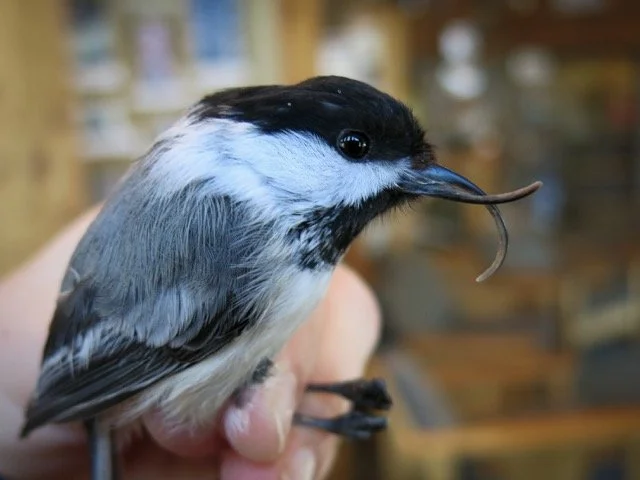
“Beak Deformities in Wild Birds: Unraveling the Mystery of Avian Keratin Disorder ” by Danielle Gerik, Biologist, USGS Alaska Science Center.
Have you ever spotted a backyard bird with a strangely overgrown or deformed beak? If yes, you might have witnessed a bird with Avian Keratin Disorder (AKD).
Join us at the Alaska Zoo as Danielle Gerik, a biologist with the USGS Alaska Science Center, shares the latest research on this eye-opening disease in wild birds. First documented in Alaskan Black-capped Chickadees in the late 1990s, AKD tracking has since gone global.
Discover how local and international efforts to track this disease through participatory science has helped researchers document novel outbreaks, identify at-risk birds, and uncover vital clues about how AKD may be impacting our backyard birds.
April 14, 2027
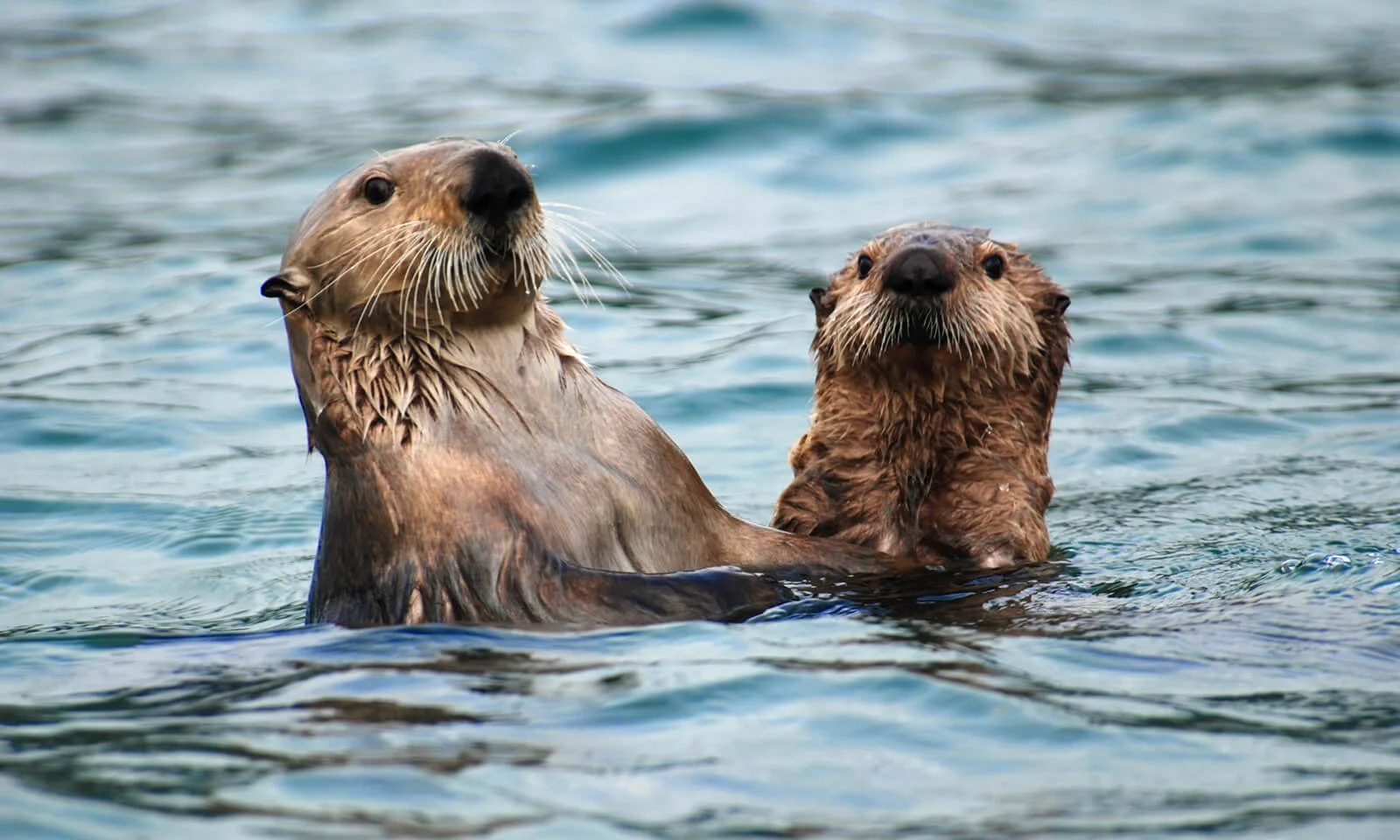
Photo by Ryan Wolt, 2011. www.mmc.gov
“Status of Northern Sea Otters” by Dr. Paul Schuette, Wildlife Biologist, USFWS Marine Mammal Management.
Sea otters in Alaska are split into three stocks – Southwest, Southcentral, and Southeast. The Southwest stock is listed as a Threatened Distinct Population Segment (DPS) under the Endangered Species Act likely as a result of increased predation pressure from killer whales in the 1990s. The Southcentral stock is stable and the Southeast stock is increasing following reintroduction efforts in the 1960s. In his role, Dr. Paul Schuette conducts sea otter population surveys by boat and air to track trends in population status. He works closely with Alaska’s Tribes who harvest sea otters for their pelts and production of Traditional handicrafts. Together, they have numerous co-production of knowledge and co-stewardship initiatives underway to help meet long-term sustainability objectives for sea otters and their associated nearshore ecosystems in Alaska. In this presentation, Paul will discuss the status of northern sea otters in Alaska and details of current programs carried out in partnership with Alaska’s Tribes, agency and academic scientists, and other interested parties. Presenter Bio: Paul Schuette is a wildlife biologist with the U.S. Fish and Wildlife Service, Marine Mammals Management (USFWS MMM) program in Anchorage. He has a Ph.D. from Montana State University, where he studied predator-prey dynamics in terrestrial ecosystems. Since joining USFWS MMM, he has adjusted his research and conservation lens to the marine environment where he is focused on northern sea otters in Alaska.